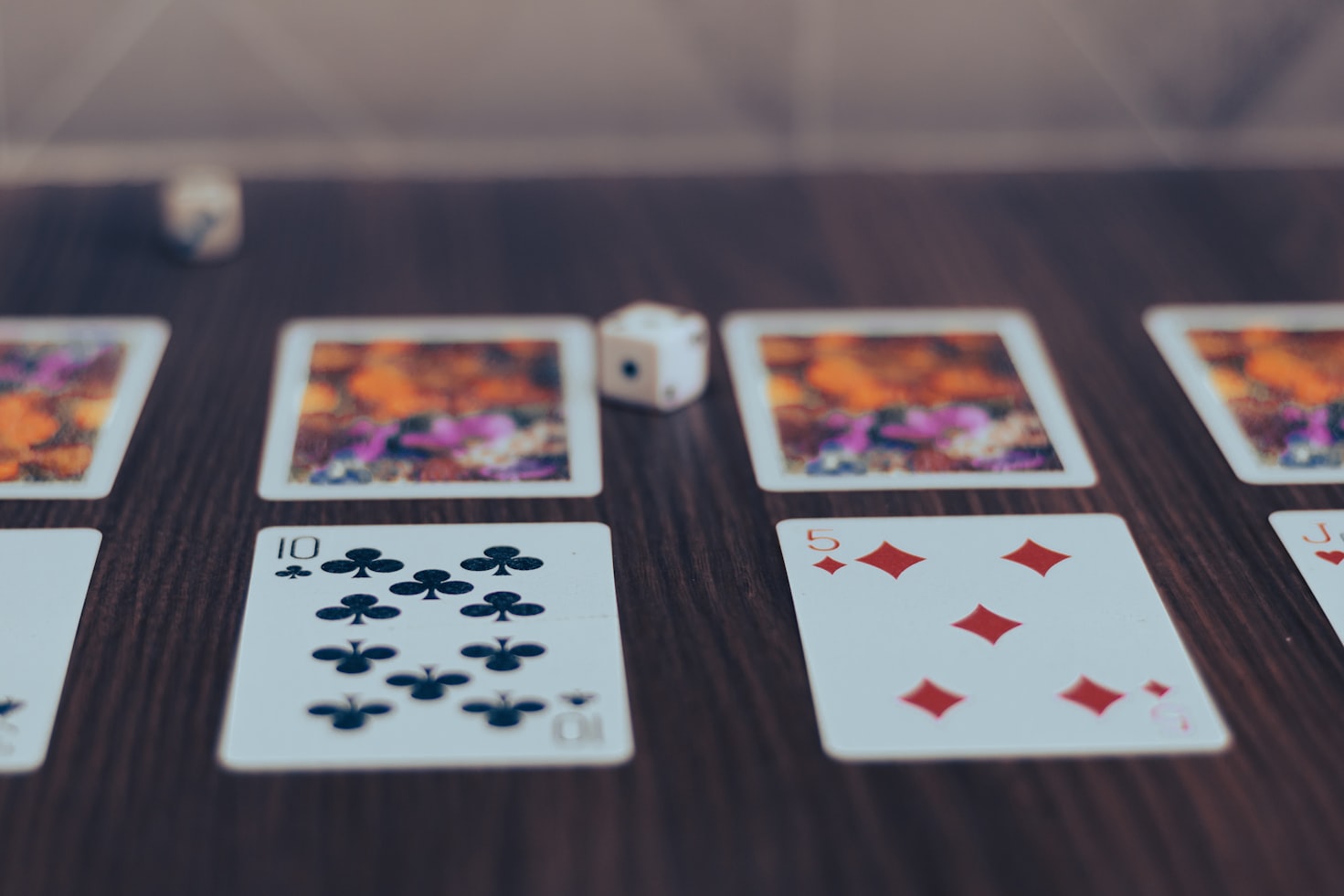


Exploring the psychology of casino gaming
The Allure of the Casino Environment
The atmosphere of a casino is meticulously crafted to enchant visitors and create an exhilarating experience for players. Bright lights, vibrant sounds, and a plethora of games work together to attract individuals and keep them engaged. This sensory overload not only enhances excitement but also encourages players to stay longer, immersing themselves in the environment. The sights and sounds, from the clinking of coins to the celebratory cheers of winners, create an inviting ambiance that keeps players coming back for more, especially when they can enjoy features like online casino ontario fast withdrawal to enhance their gaming experience.

Furthermore, the layout of casino spaces plays a significant role in shaping players’ psychological experiences. Designers often employ strategies that obscure exits, making it challenging for individuals to leave once they have begun gambling. This concept, known as “gambling immersion,” increases the likelihood of players spending more time and money without fully realizing their surroundings. The absence of clocks and windows exacerbates this effect, creating a disorienting experience that can lead to prolonged gaming sessions.
This combination of sensory stimuli and spatial manipulation creates an almost hypnotic effect, making it crucial to understand how these factors influence behavior. Gamblers often find themselves captivated by the atmosphere, leading to impulsive decisions driven by excitement rather than rational thought. Both novice and seasoned gamblers can fall victim to this immersive environment, highlighting the need for awareness of the psychological elements at play within the realm of casino gaming.
The Role of Risk and Reward
At the core of casino gaming lies the juxtaposition of risk and reward, a psychological principle that fuels the thrill of gambling. The potential for significant wins—a life-changing jackpot, for example—fuels a gambler’s desire to play, despite the odds typically being stacked against them. This phenomenon is closely related to “variable reinforcement,” where the unpredictable nature of winning creates heightened anticipation and excitement. When players experience a win, their brains release dopamine, a neurotransmitter associated with pleasure, reinforcing the behavior of returning for more.
Moreover, the psychology behind risk-taking in casinos reveals important aspects of human behavior. Gamblers are often drawn to high-stakes games, perceiving the potential for greater rewards as a challenge rather than a deterrent. This tendency can be linked to various personality traits, including impulsivity and a desire for thrill-seeking. Players might not only chase winnings but also the emotional highs that accompany risk-taking—factors that gambling operators exploit to keep players engaged.
The interplay of risk and reward creates a roller-coaster of emotions that can be irresistible to players. As winning streaks generate euphoria, losing periods may lead to frustration or an increased desire to chase losses. Understanding this psychological dance helps explain why many individuals return to gambling despite the potential for financial loss. The seductive nature of the reward system in casino gaming perpetuates a cycle of engagement that can be difficult to break, even for those who approach gambling with caution.
The Impact of Social Dynamics
Casino gaming is often a social activity, and the dynamics of social interaction can significantly influence individual behavior and decision-making. Players frequently engage in conversations, share strategies, and celebrate wins together, creating a communal atmosphere that enhances the overall experience. This social aspect can lead to a sense of belonging, encouraging individuals to return to the casino even when they may not be inclined to gamble alone. The communal reinforcement can amplify the thrill of gambling, transforming it into a shared pursuit.
The presence of others can also affect individual risk tolerance, with players often feeling more emboldened to take chances when surrounded by fellow gamblers. This phenomenon can lead to heightened emotions and spur even greater risk-taking behaviors, as individuals draw energy from the surrounding excitement. The concept of “social proof” plays a significant role here; witnessing others engage in high-stakes gaming can normalize such behaviors, prompting individuals to gamble in ways they might not consider in a more solitary setting.
However, while social interactions can create positive experiences, they can also lead to negative consequences. Peer pressure can result in increased gambling frequency or larger bets, as individuals strive to keep up with their peers or avoid appearing timid. Understanding the social dynamics at play within a casino can provide valuable insights into the psychological motivations that drive gambling behavior, highlighting the complexity of the casino gaming experience.
The Cognitive Biases of Gamblers
Cognitive biases play a significant role in a gambler’s decision-making process. One of the most notable biases is the “illusion of control,” where players mistakenly believe they can influence the outcome of a game based on their actions. This perception can lead individuals to place bets on games that are entirely based on chance, such as slot machines or roulette. The belief that skilled players can somehow manipulate outcomes creates a false sense of security, drawing players deeper into the gaming experience.
Another common cognitive bias is “loss aversion,” wherein individuals experience a stronger emotional response to losses compared to gains of the same size. This psychological principle often leads players to continue gambling in an attempt to recover losses, creating behavior that is self-destructive. The compulsion to chase losses can spiral into more extensive gambling, illustrating how cognitive biases can undermine rational decision-making and contribute to problematic gaming behavior.
Additionally, gamblers can fall prey to the “gambler’s fallacy,” the belief that previous outcomes affect future probabilities. For instance, a player may assume that a particular slot machine is “due” for a win after a series of losses, leading to irrational betting decisions. By acknowledging these cognitive biases, individuals can start to recognize how their thought processes influence their gambling behavior, ultimately creating an opportunity for more responsible gaming practices.
Understanding the Psychology of Casino Gaming
In conclusion, the psychology of casino gaming is a multifaceted phenomenon that encompasses sensory experiences, risk and reward, social dynamics, and cognitive biases. Each element plays a significant role in shaping the behavior and decision-making processes of gamblers. By exploring these psychological intricacies, we gain a deeper understanding of why individuals are drawn to casinos and how their experiences can lead to both thrilling moments and potential pitfalls.
Recognizing the psychological forces that drive gambling can empower individuals to make more informed decisions about their gaming behaviors. Whether seeking enjoyment or facing challenges related to gambling, understanding the underlying psychological factors can enhance personal awareness and encourage responsible gaming practices. As the allure of casinos continues to thrive, fostering a psychological perspective on gaming will remain essential for players and operators alike.
As awareness of these psychological elements grows, so does the importance of responsible gaming initiatives. Many casinos and gaming platforms are beginning to implement programs aimed at educating players about the risks involved and promoting healthy gambling habits. These initiatives emphasize the need for balance and self-control, helping players enjoy their gaming experiences without falling prey to harmful behaviors. In this evolving landscape, understanding the psychology of casino gaming not only benefits players but also contributes to a more sustainable and responsible gaming environment.